Kitchen note
Graceful Swans of the Water
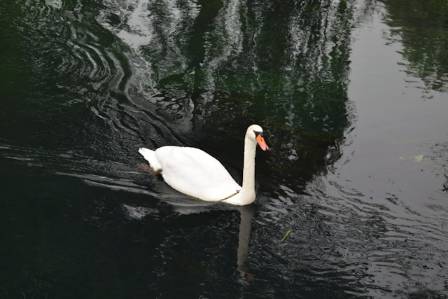
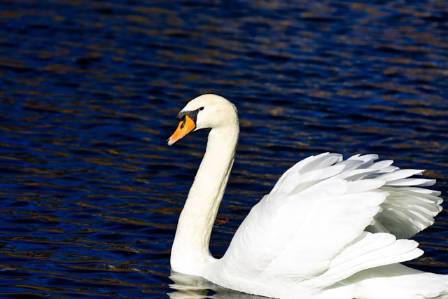
Swans are large, graceful water birds known for their long, elegant necks. Most swan species have white feathers, but black swans are entirely black, and black-necked swans feature a white body with a black head and neck. All newborn swans, called cygnets, are grey when they hatch.
Iris Monroe
Cook
Bench note
The full story and useful tips are below.
Shelf
Plant kitchen
Swans are large, graceful water birds known for their long, elegant necks. Most swan species have white feathers, but black swans are entirely black, and black-necked swans feature a white body with a black head and neck. All newborn swans, called cygnets, are grey when they hatch.
There are six recognized species of swans: mute, whooper, trumpeter, tundra, black, and black-necked, all classified under the genus Cygnus. The coscoroba swan was once included in Cygnus but is now placed in the separate genus Coscoroba.
Swans typically inhabit temperate zones in both the Northern and Southern Hemispheres, although each species has preferred environments. They live in natural and artificial bodies of water, including lakes, ponds, rivers, canals, marshes, swamps, and coastal inlets. Swans are primarily herbivores, feeding on aquatic plants but occasionally consuming small water animals. Their long necks allow them to reach vegetation below the water’s surface while swimming.
Swans form lifelong pairs and engage in elaborate courtship displays to strengthen their bonds. Most species breed in spring or summer, with some traveling to Arctic regions during this period. Swans construct large nests along the water’s edge, where the female lays between three and eight eggs. Both parents take turns incubating the eggs, and once hatched, cygnets remain with their parents for several months before joining larger flocks.
Swans contribute significantly to the health of aquatic ecosystems. By consuming plants and small water animals, they help distribute seeds and eggs through their droppings. Swimming swans also stir up sediment, helping circulate nutrients that support underwater plant and fish life.
Scientific Names of Swans
Swans are classified in the genus Cygnus, except for the coscoroba swan. Here are the scientific names for each species:
Whooper swan – Cygnus cygnus
Tundra swan – Cygnus columbianus
Mute swan – Cygnus olor
Black swan – Cygnus atratus
Black-necked swan – Cygnus melancoryphus
Trumpeter swan – Cygnus buccinator
Coscoroba swan – Coscoroba coscoroba
Some experts separate the tundra swan into two species: Bewick’s swan (Cygnus bewickii) in Europe, Asia, and North Africa, and the whistling swan (Cygnus columbianus) in Greenland and North America.
Conservation Status
All swan species are listed as “Least Concern” by the IUCN, with populations either stable or growing. The tundra swan was once heavily hunted but has since recovered.
Despite their healthy populations, swans face threats including habitat destruction, pollution, and avian influenza.
Swan Habitats
Swans prefer lowland freshwater wetlands, such as shallow lakes, ponds, lagoons, marshes, reed beds, and slow rivers. They also live in human-made waters like reservoirs, gravel pits, ornamental lakes, and canals. Some species venture into brackish or saltwater habitats.
Northern Hemisphere species include the mute, trumpeter, whooper, and tundra swans. Southern Hemisphere species include the black swan, black-necked swan, and coscoroba swan. Black swans are found in Australia, while black-necked and coscoroba swans are native to South America.
Swans usually inhabit temperate climates and are rarely seen in tropical regions. Many species migrate seasonally to locate food when water bodies freeze, though migration is less common during mild winters. Some species also travel to Arctic regions to breed.
Threats to Swans
Although populations are generally healthy, swans still face dangers:
Habitat Loss: Wetlands are damaged or drained due to human activity, while oil spills, peat extraction, and Arctic development threaten breeding areas. Expanding infrastructure, such as power lines along migration paths, increases collision risks.
Pollution: Water contamination from industrial waste, agricultural runoff, sewage, plastics, and oil reduces water quality and food availability, directly affecting swan health.
Hunting: In some regions, swans are legally hunted for sport, while in others, illegal hunting persists. Even without direct hunting, swans are at risk of lead poisoning from ammunition, fishing gear, and discarded weights.
Avian Influenza: Swans are vulnerable to avian flu, which can be fatal. While documented since 1878, outbreaks have intensified in recent years, particularly since 2020.
Swans remain iconic symbols of beauty and grace in the natural world, with vital roles in aquatic ecosystems and fascinating adaptations that ensure their survival.
More from the kitchen

· en
Must-Try Milkshake Recipes
Emma Watson

· en
Embark on a Flavorful Journey: 20 Thai Fruits to Delight Your Palate
Charlotte Ivy

· en
Choose the Best Down Jacket
Lirael Joy

· en
Explore Seoul’s Royal Legacy: A Complete Guide to Gyeongbokgung Palace
Victoria Harrington
· en
A Changing World for Emperor Penguins
Maren Clarke

· en
4 Basic Badminton Skills That Transformed My Game
Diana Moreau