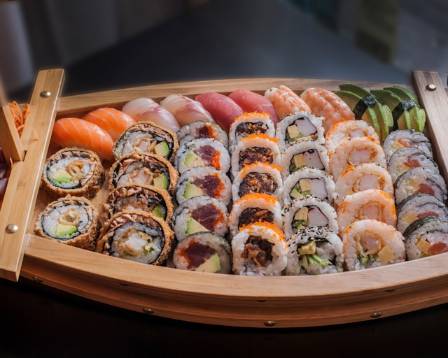
Kitchen note
A Beginner’s Guide to Sushi: 11 Popular Types You Should Know
Walking into a sushi restaurant for the first time can feel overwhelming. With so many different sushi styles — from classic nigiri to rolled maki — it’s easy to mix them up.
Caleb Thorne
Cook
Bench note
The full story and useful tips are below.
Shelf
Plant kitchen
Walking into a sushi restaurant for the first time can feel overwhelming. With so many different sushi styles — from classic nigiri to rolled maki — it’s easy to mix them up.
If you’re ready to go beyond the typical California roll and learn more about authentic Japanese sushi, this guide will introduce you to some of the most popular varieties you’ll find in Japan and around the world.
If you’d also like to understand the seafood commonly used in sushi, be sure to explore guides about different sushi fish as well.
What Exactly Is Sushi?
Sushi refers to dishes made with vinegared rice seasoned with sugar and salt, paired with ingredients such as seafood, vegetables, or egg.
Because sushi rice can be combined with countless ingredients, there are many unique sushi styles to enjoy.
Over time, both Japan and other countries have created new interpretations of traditional sushi, leading to a wide variety of flavors and presentations.
11 Popular Types of Sushi
1. Nigiri Sushi
Nigiri is one of the most recognizable forms of sushi.
It usually consists of a hand-shaped mound of sushi rice topped with raw fish, cooked seafood, egg, or vegetables.
Popular toppings include salmon and tuna, though some versions may use lightly seared fish or even meat for a richer flavor. A small amount of wasabi is often placed between the rice and topping, but it can be omitted if preferred.
2. Maki Sushi
Maki sushi is the classic rolled sushi most people immediately think of.
It is made by rolling sushi rice, seafood, and vegetables inside a sheet of nori seaweed. Maki comes in many forms, ranging from simple single-ingredient rolls to more elaborate combinations.
Futomaki
Futomaki means “thick roll sushi.”
These large sushi rolls are often filled with several ingredients such as cucumber, egg strips, and shiitake mushrooms. In Japan, futomaki is commonly served during celebrations, packed into lunch boxes, or shared at gatherings.
Hosomaki
Hosomaki is a thinner and simpler version of maki.
Unlike futomaki, it usually contains just one filling, such as cucumber, tuna, salmon, or crab. Its clean flavor and simplicity make it a favorite traditional sushi style.
3. Temaki Sushi
Temaki, also known as hand-roll sushi, is shaped like a cone.
The nori seaweed is wrapped around sushi rice and various fillings, often including fish and vegetables. Since temaki is larger and cone-shaped, it is usually eaten with your hands rather than chopsticks.
4. Uramaki Sushi
Uramaki is often called “inside-out sushi.”
Unlike traditional maki, the rice is on the outside while the seaweed wraps around the filling internally.
This style became especially popular in the United States, particularly through the famous California roll. While widely loved overseas, it is less common in Japan compared to more traditional sushi styles.
5. Chirashi Sushi
Chirashi sushi, or “scattered sushi,” is served in a bowl rather than rolled.
It features sushi rice topped with assorted sashimi, vegetables, shredded egg crepe, seaweed, and fish roe. Salmon and tuna are among the most common toppings.
Because it can easily be prepared in large portions, chirashi sushi is a popular choice for parties and family meals.
6. Inari Sushi
Inari sushi is made by stuffing sushi rice into pockets of seasoned deep-fried tofu called aburaage.
Compared to other sushi types, inari has a sweeter flavor profile. It’s commonly enjoyed as a side dish and is often included in Japanese bento lunch boxes.
7. Temari Sushi
Temari sushi is a small, round sushi style inspired by traditional Japanese embroidered balls known as temari.
This sushi resembles a miniature version of nigiri and is typically topped with colorful fish or garnishes. Because of its elegant appearance, temari sushi is often served during holidays and celebrations.
8. Gunkan Maki
Gunkan maki translates to “battleship sushi,” named after its oval shape wrapped with seaweed.
The seaweed creates a small container that holds soft toppings such as salmon roe, flying fish roe, or sea urchin. This design allows ingredients that would normally fall apart to stay neatly on top of the rice.
9. Narezushi
Narezushi is considered one of the earliest forms of sushi in Japan.
More than a thousand years ago, people preserved fish by fermenting it with rice. Originally, the rice was discarded after fermentation, but eventually people began eating both together, leading to the development of modern sushi.
Although rare today, narezushi can still be found in some regions of Japan, especially in Shiga Prefecture.
10. Oshi Sushi
Oshi sushi, also known as pressed sushi or box sushi, is a regional specialty from Osaka.
It is created by pressing sushi rice and toppings into a rectangular mold before slicing it into pieces. This sushi style evolved from older preservation techniques that tightly packed fish and rice together.
11. Sasa Sushi
Sasa sushi is a traditional regional sushi from Nagano and Niigata.
It is commonly served on bamboo leaves and often includes mountain vegetables or locally sourced ingredients over sushi rice. This rustic sushi style highlights fresh seasonal produce from the surrounding area.
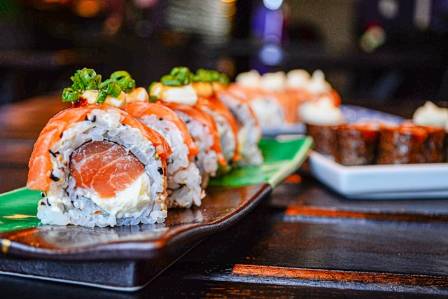
Experiencing Sushi in Japan
Japan offers countless opportunities to enjoy expertly prepared sushi, from casual local restaurants to luxury omakase experiences.
Many sushi restaurants specialize in Edomae-style sushi, where chefs carefully prepare seasonal seafood and serve it piece by piece.
Omakase dining is especially popular for those who want to experience the chef’s recommended selections, often including nigiri, maki, appetizers, soup, and seasonal ingredients.
For travelers visiting Tokyo, districts such as Shibuya and Shinjuku are famous for their wide range of sushi restaurants, from affordable conveyor-belt sushi shops to high-end establishments.
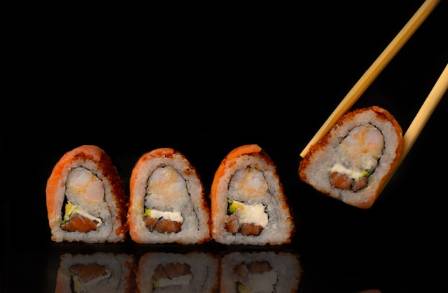
Frequently Asked Questions About Sushi
What Sushi Is Most Popular in Japan?
Nigiri sushi is considered the most common and traditional sushi style enjoyed in Japan.
Is Sushi Healthy?
Sushi can be a healthy meal because it often includes fish rich in protein and nutrients, along with seaweed and vegetables.
However, healthier choices usually avoid deep-fried ingredients and excessive sauces. Portion size and rice quantity may also matter depending on dietary goals.
What Are the Most Common Sushi Types?
Nigiri and maki sushi are the two styles most frequently found in Japanese sushi restaurants.
What’s the Difference Between Sushi and Sashimi?
Sushi includes vinegared rice paired with toppings or fillings.
Sashimi, on the other hand, refers specifically to sliced raw fish served without rice.
More from the kitchen

· en
Alpine Skiing for Beginners
Kieran Blake

· en
The Colours of the Canton Tower
Lily Morgan

· en
The Gastrointestinal Impact of Daily Egg and Sourdough Consumption
Hunter Bell

· en
Embracing Retro Photography and Vintage Aesthetics
Nina Harper

· en
The Incredible Story and Evolution of the International Space Station
Isla Graham
· en
Masala Chai: A Flavorful Elixir with Timeless Health Benefits
Stella